




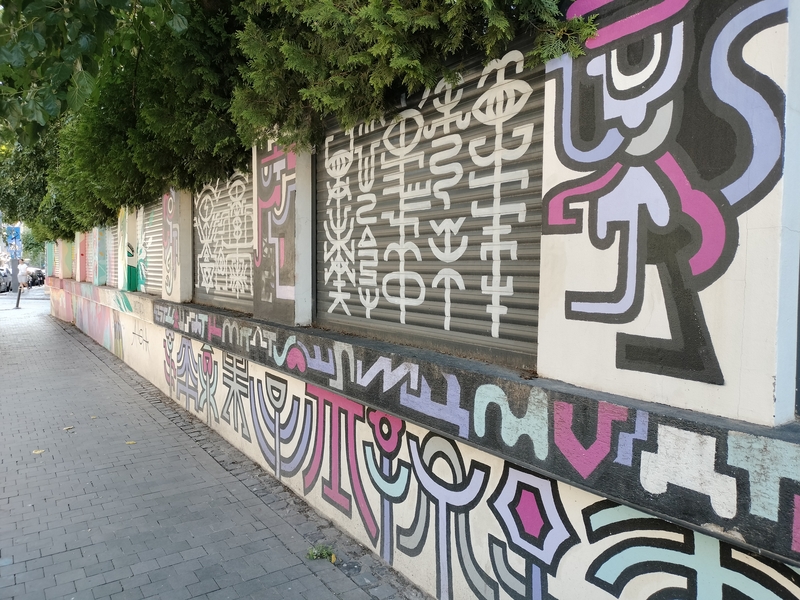
Bucharest is a city of layers. You see this in its architecture, its history, and very clearly on its walls.
Street art and graffiti are part of everyday life here, not hidden attractions, but open expressions spread across neighborhoods, streets, and forgotten corners.
To understand Bucharest today, you need to look at its urban art.
As a tourism agency working daily with visitors, we see how surprised people are by this scene.
Many expect gray buildings and heavy history.
What they discover instead is a city that talks back, often with humor, irony, and strong opinions.
Street Art and Graffiti in Bucharest
-
In Bucharest, street art and graffiti coexist naturally. Graffiti is usually text based, fast, and raw. Tags, football symbols, and short messages appear overnight and sometimes disappear just as quickly.
Street art is often more visual and structured. Murals, stencils, and paste ups take time and usually carry a clearer narrative. Both forms matter.
Graffiti shows urgency and emotion. Street art offers reflection and storytelling. Together, they create a visual conversation across the city.
Symbols You See Again and Again
-
One of the most recognizable characters in Bucharest’s urban art is AEUL, the strange pig dog mutant that appears across the city.
You find it on walls, doors, and abandoned buildings. AEUL is not random. It is a sharp critique of consumerism, excess, and the way modern society consumes without questioning.
Seeing AEUL repeatedly becomes a game. Once you notice it, you start spotting it everywhere. This repetition is part of its message. Another recurring theme is history.
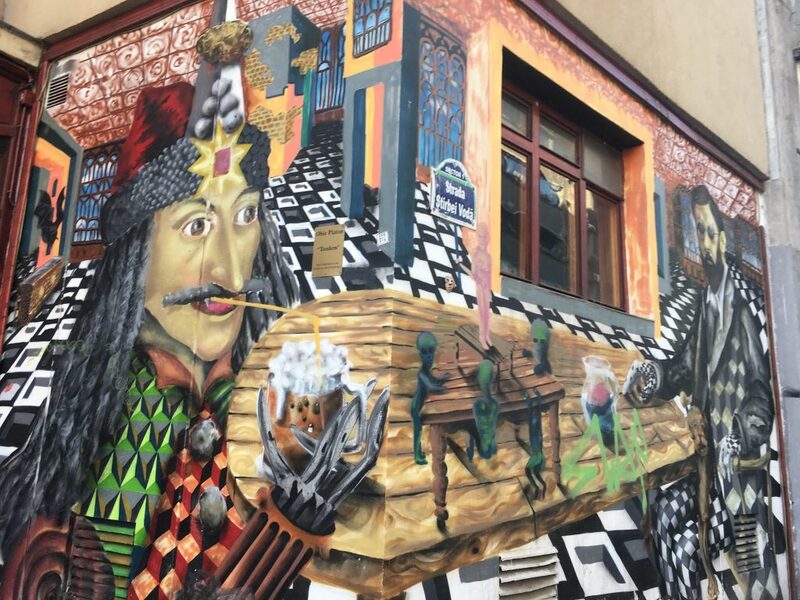
Vlad the Impaler appears often in urban art, sometimes heroic, sometimes ironic. Some depictions are hidden behind apartment blocks, others are massive.
These images question how Romanians see their past and how history is used today.
More Than Visual Beauty
-
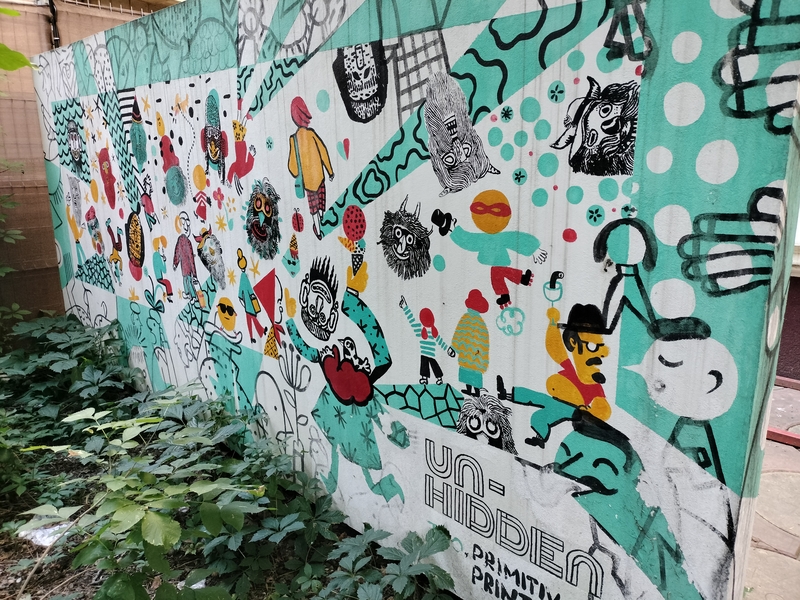
Urban art in Bucharest is not created only to look good. works are direct social and political comments.
Some express the feeling that not everything changed after the dictatorship, that certain mentalities survived the transition.
Other artworks use irony to talk about the modern urban individual.
You will see criticism of superficial lifestyles, obsession with image, and the search for Instagram perfect moments. Matcha lattes, curated aesthetics, and empty poses become symbols of shallow consumption.
Some pieces make people laugh. Others make them uncomfortable. This reaction is intentional.
Football, Identity, and the City
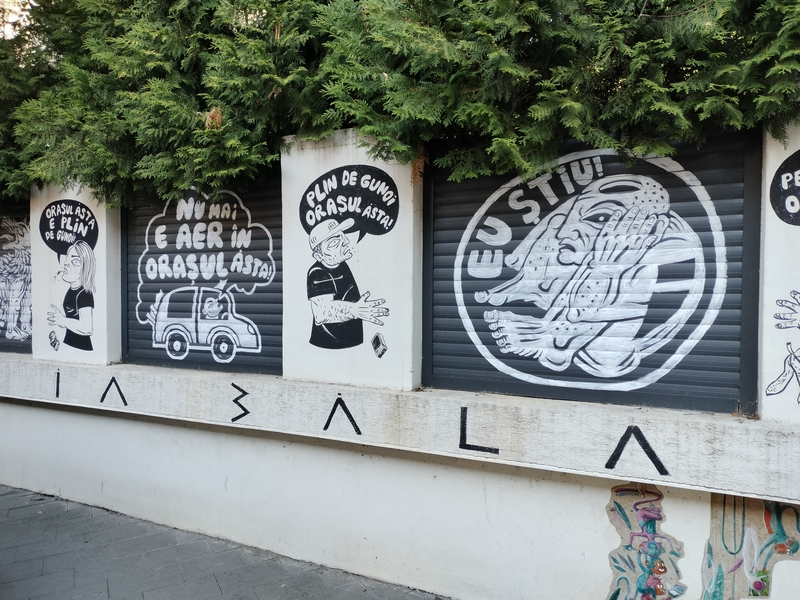
- Football is another strong presence in Bucharest’s graffiti culture. Messages and symbols related to Steaua, Rapid, and Dinamo appear throughout the city. These are not just about sport. They are about belonging, rivalry, and identity.
Strada Verona. A Creative Pulse
-
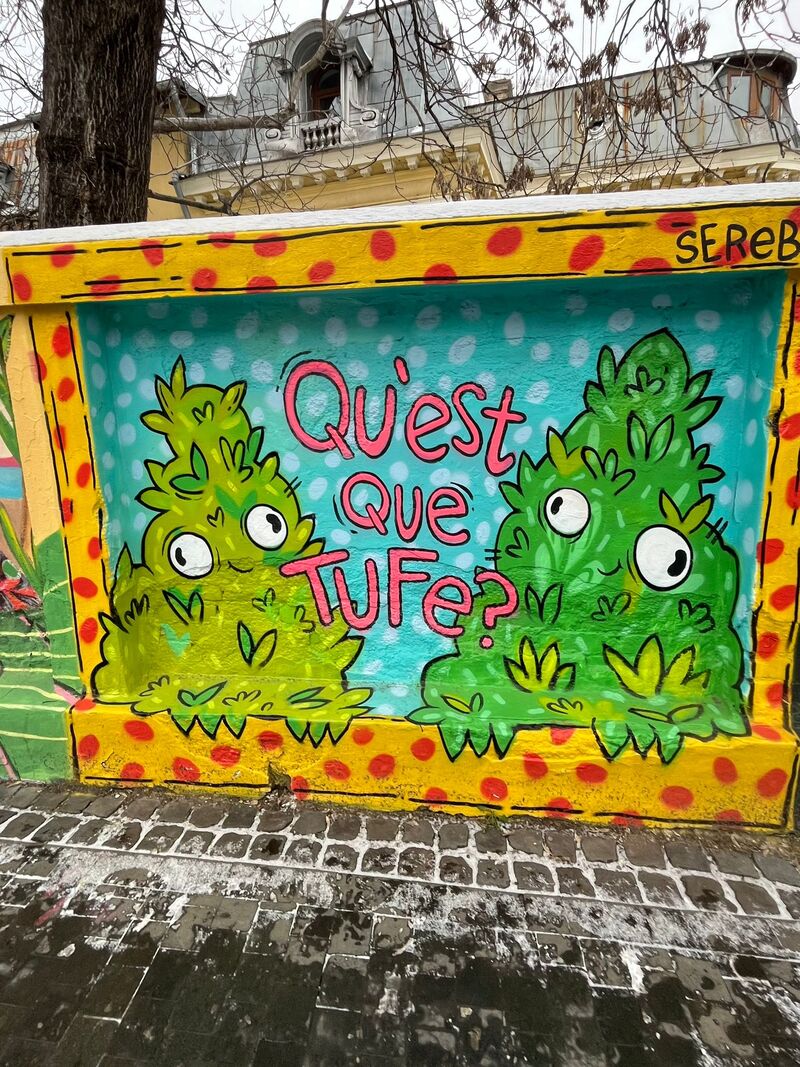
Strada Verona is one of the most expressive streets in Bucharest. Short, intense, and constantly changing, it functions like an open air gallery where the city speaks freely. For anyone interested in street art and graffiti, this street is not optional. It is essential.
What makes Strada Verona special is movement. Murals rarely stay the same for long.
New layers appear over old ones. Political moments, social frustrations, and cultural trends quickly translate into images and words.
Walking here feels like reading the city’s thoughts in real time. -
You will find a mix of styles. Large scale murals coexist with stencils, ironic phrases, and spontaneous graffiti.
Some artworks are visually striking. Others are deliberately simple, almost aggressive. Together, they create contrast and tension.
Strada Verona is also a place of experimentation. Artists test ideas here because they know the street reacts.
Art is photographed, discussed, covered, or replaced. This constant feedback loop keeps the street alive -
Exploring Strada Verona is fun because nothing is fixed. You never know what you will find. One visit might show completely different walls than the next.
That unpredictability is part of the experience. For visitors, Strada Verona offers a direct connection to Bucharest’s contemporary culture. It shows creativity, frustration, humor, and honesty without filters.
A City Meant to Be Explored
-
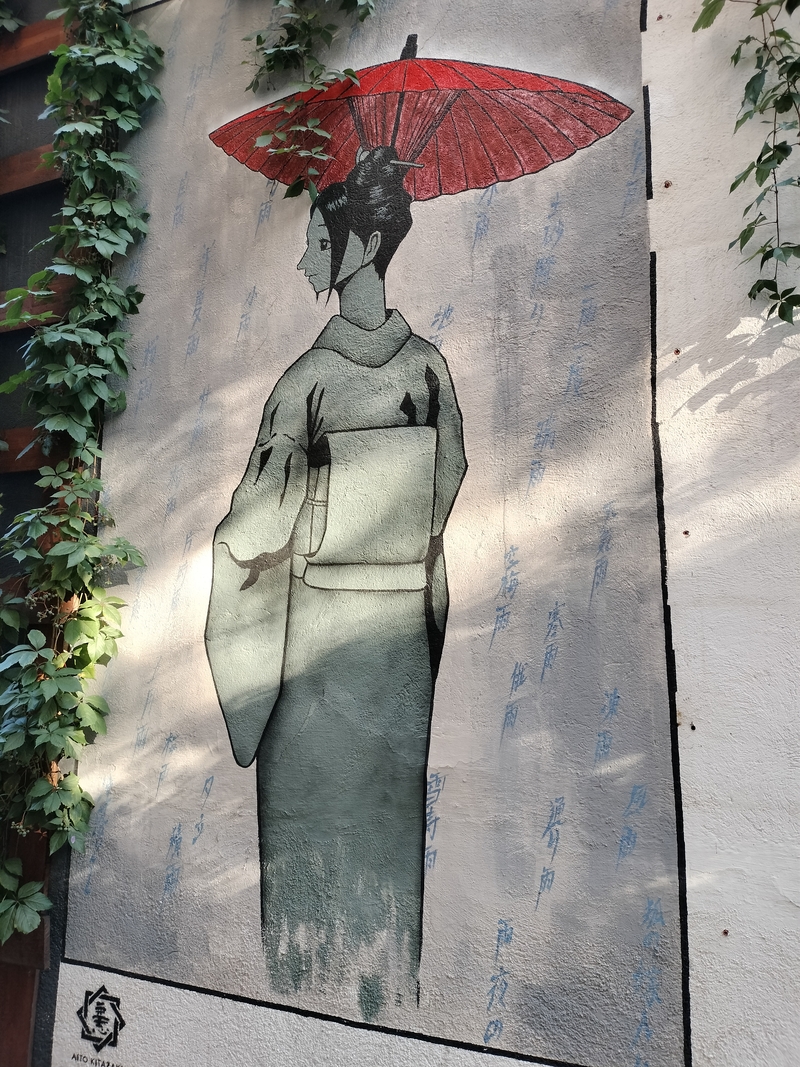
Street art in Bucharest is not concentrated in one area. Some works are hidden behind blocks.
Others dominate main boulevards. Exploring the city becomes a visual treasure hunt.
It is fun to walk, observe, and count how many artworks you can find. Every turn offers something new.
Discover Bucharest With Us
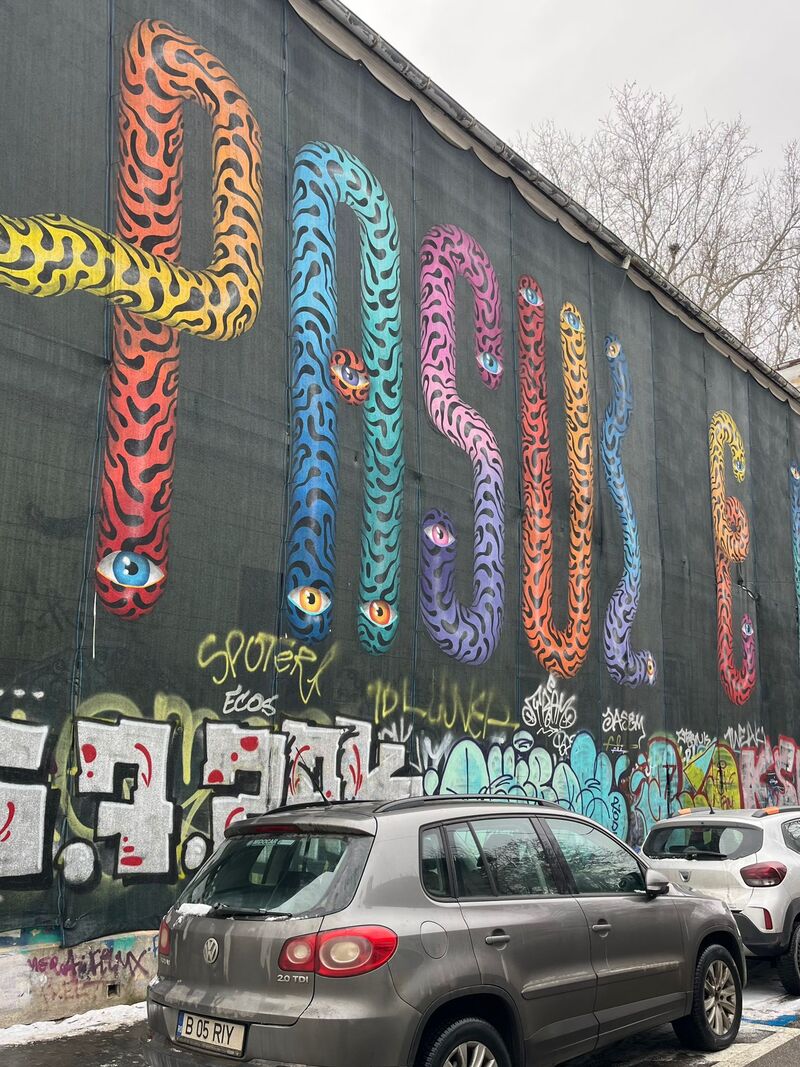
If you want to understand Bucharest beyond landmarks, street art is the perfect entry point.
Our private tours explore urban art hotspots, including Strada Verona, while explaining the social, political, and cultural context behind the walls.
Discover Bucharest with us and book your private tour to experience the city through its most honest expressions.